Economic Zones
Economic Zones & Infrastructure
Four designated investment zones, each with distinct incentive structures, focus sectors, and infrastructure advantages.
Nouadhibou Free Zone
Nouadhibou, Dakhlet Nouadhibou Region
The Nouadhibou Free Zone (ZFN) covers 600 km² on Mauritania's Atlantic coast. It is administered by the ANZF authority and offers the most comprehensive incentive package in the country. Over 300 companies are registered. A dedicated fisheries processing district houses cold-chain facilities directly connected to the port.
Focus Sectors
Key Incentives
- 0% corporate tax (years 1–7)
- 0% import duties in perpetuity
- 72-hour incorporation guarantee
- Single-window customs (48 hr)
- 100% foreign ownership
Cansado Industrial Zone
Cansado, Nouadhibou Peninsula
Cansado is the established industrial district adjacent to Nouadhibou port and the SNIM iron ore railway terminal. It hosts SNIM's processing facilities and ancillary industries. The zone benefits from direct connectivity to the 700 km SNIM railway linking the Zouerate iron ore fields to the Atlantic coast.
Focus Sectors
Key Incentives
- Reduced corporate tax under preferential regime
- SNIM rail connection to Zouerate iron ore mines
- Deep-water port access (Nouadhibou port)
- Industrial land parcels available
Nouakchott Port Zone
Port de l'Amitié, Nouakchott
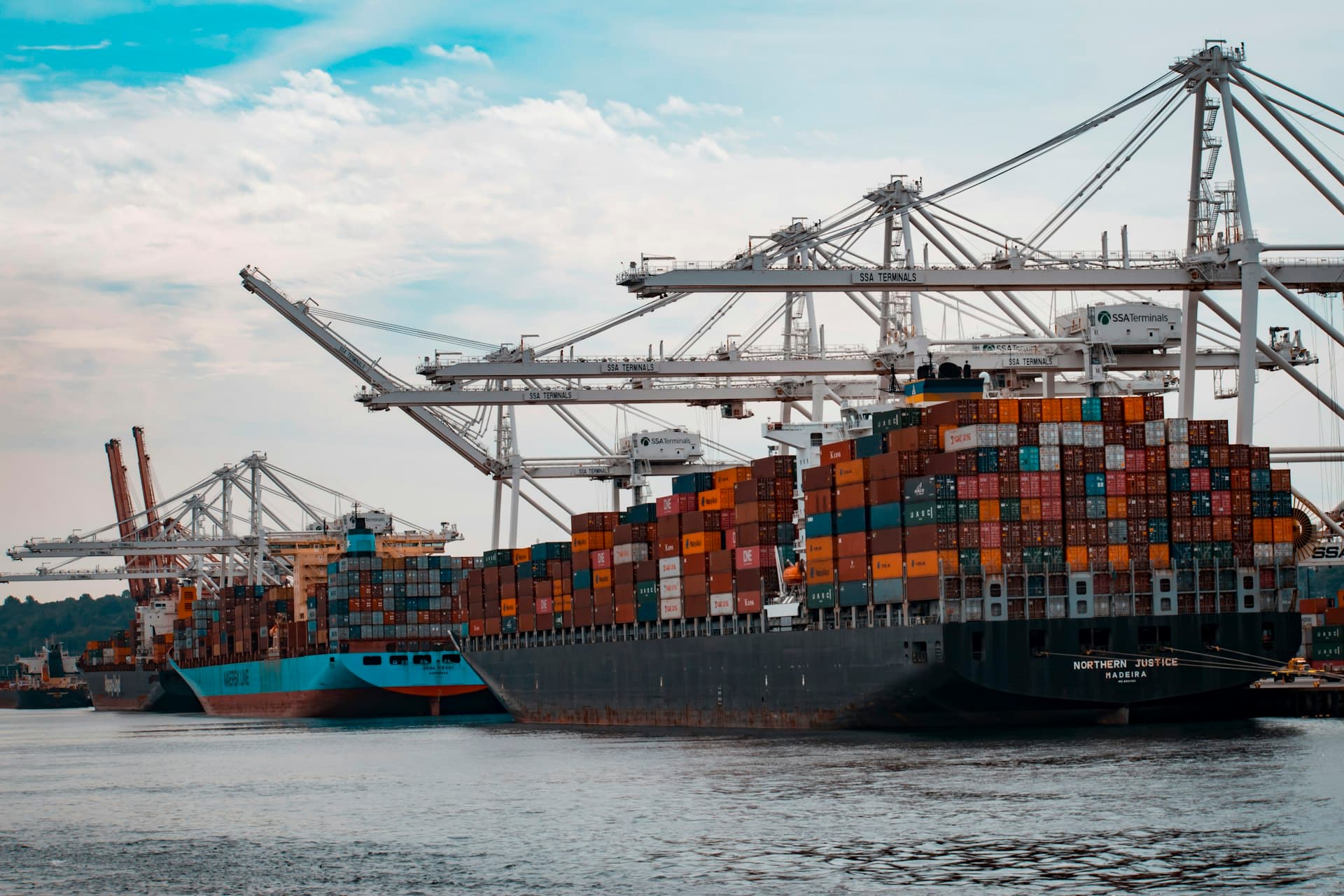
The Port de l'Amitié in Nouakchott is Mauritania's primary commercial port and is undergoing a major capacity expansion. The new container terminal, due for completion by 2027, will double throughput capacity. The port zone offers streamlined customs and serves as the primary logistics hub for Greater Nouakchott's 1.5 million population.
Focus Sectors
Key Incentives
- Streamlined customs procedures
- Port Authority co-investment for qualifying projects
- Proximity to capital city market
- Major expansion: new container terminal underway
Rosso Agricultural Zone
Rosso, Trarza Region (Senegal River Valley)
The Senegal River Valley is Mauritania's primary agricultural zone, with year-round irrigation potential from the river. The Rosso zone anchors the country's strategy to develop large-scale commercial agriculture and reduce food imports. SONADER (national rural development society) coordinates land allocation and irrigation development.
Focus Sectors
Key Incentives
- Long-term land concessions (up to 99 years)
- Senegal River water rights for irrigation
- SONADER development support
- Agribusiness: 8-year tax holiday
Infrastructure Highlights
Nouakchott Port Expansion
New container terminal doubling capacity to 400,000 TEU/year, due 2027. LNG support vessel berths and bulk liquids facility added.
Trans-African Highways
Three Trans-African Highway corridors traverse Mauritania: TAH1 (Cairo–Dakar), TAH7 (Dakar–N'Djamena), and the Maghreb coastal route, connecting to Morocco, Senegal, and Mali.
SNIM Railway (700 km)
The SNIM ore railway connects the Zouerate iron ore fields to Nouadhibou port. A $1.2B expansion plan will double capacity to 24M tonnes/year by 2030.
Renewable Energy Grid
Boulenouar wind farm (100 MW) is online. The national grid is expanding with solar and wind additions. Green hydrogen pilot projects are underway near Nouakchott.